
Why Music Makes Us Feel So Good (According to Your Brain)
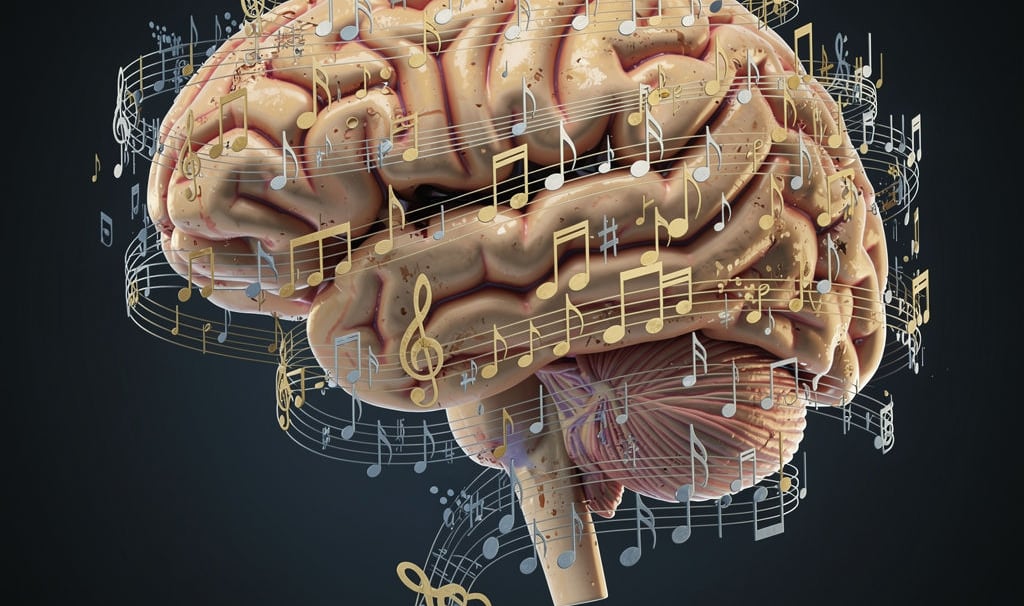
A look inside our brain how music makes us happier
MUSIC TECHNOLOGY
My post content
You know that feeling when a song comes on and suddenly everything feels better? Maybe you get chills, start smiling without realizing it, or feel a rush of energy. That’s not just in your head emotionally—it’s happening in your brain in a very real, biological way.
Let’s break it down without the heavy science jargon.
Music Hits the Brain’s “Feel‑Good” Button
When you listen to music you love, your brain releases dopamine—the same chemical involved in pleasure, motivation, and reward. This happens in deep brain areas that usually respond to things like good food, social connection, or winning a game.
Basically, your brain treats music as something valuable and rewarding. That’s why you want to hear your favorite songs again and again.
The Build‑Up Is Half the Fun
Ever notice how the best part of a song is often right before the chorus drops? That’s because your brain loves anticipation.
As you listen, your brain is constantly guessing what comes next. When the music delivers on that expectation (or slightly surprises you), dopamine spikes even more. So part of the joy of music comes from waiting for what’s about to happen—not just hearing it happen.
Music Gets Your Emotions and Thoughts Talking to Each Other
Brain scans show that happy music gets multiple parts of the brain working together at the same time:
Emotional centers that decide how something feels
Thinking areas that decide how much you like it
Sound‑processing areas that make sense of the music itself
When these areas sync up, you don’t just hear music—you feel it. That’s what creates those moments of pure joy or emotional release.
Wanting Music vs. Loving Music
Your brain actually handles music pleasure in two ways:
Wanting: the urge to play a song, repeat it, or turn the volume up
Liking: the warm, satisfying feeling you get while listening
Music activates both at once, which is pretty special. It’s why a song can feel addictive and deeply comforting at the same time.
Your Brain Waves Literally Change
When happy music plays, your brain waves shift into patterns linked with relaxation and positive mood—especially in the front of the brain. Scientists can even tell when someone is feeling joy from music just by reading their brain activity.
In simple terms: your brain physically moves into a “good vibes” mode.
It’s Not Just Dopamine
Music also nudges other chemicals that help you feel good:
Serotonin, which helps stabilize mood
Oxytocin, which boosts connection and bonding
That’s why music often feels extra powerful when shared—singing with friends, dancing at concerts, or even just playing songs that remind you of people you love.
Why Music Doesn’t Hit Everyone the Same Way
Most people get pleasure from music, but not everyone. A small percentage of people don’t feel much from music at all, even though they enjoy other things in life just fine. That shows music has its own unique emotional pathway in the brain.
On top of that, your culture, memories, and personal taste all shape how strongly music affects you.
Can Music Make You Happier Long‑Term?
The mood boost from music is usually short‑term—but it can add up. Regularly listening to music you love can help reduce stress, regulate emotions, and support overall well‑being. That’s why music therapy is becoming more popular, especially for mood and mental health support.
The Bottom Line
Music makes us happy because it taps directly into the brain’s reward and emotion systems. It mixes anticipation, pleasure, memory, and connection into one powerful experience.
So next time a song gives you chills or instantly lifts your mood, remember: your brain is doing exactly what it was wired to do—enjoy the music.